AI Enters Slovak Classrooms: The Future of Education
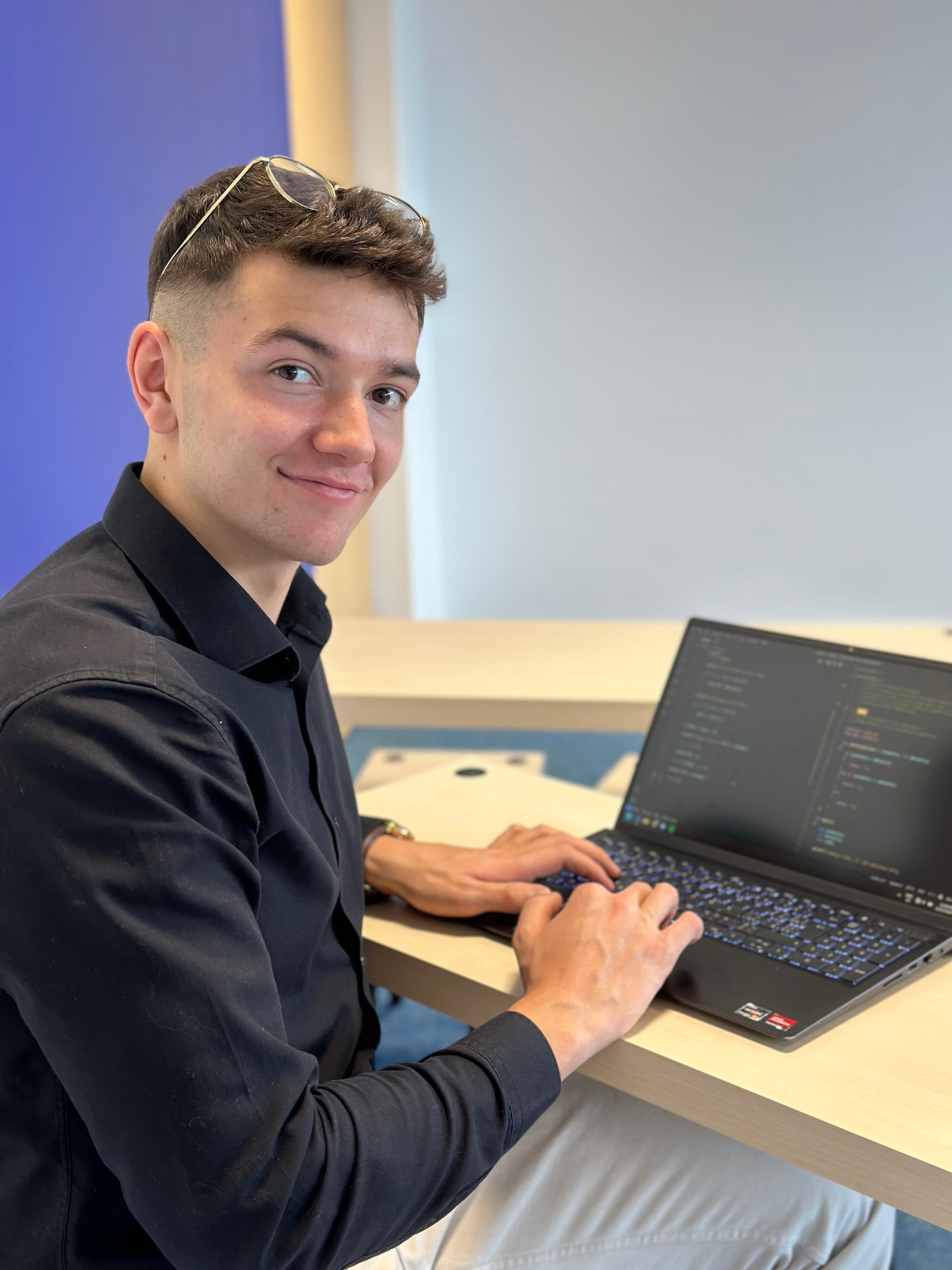

content_sk: | 31. októbra 2025 urobilo Slovensko významný krok vpred oficiálnym spustením programu integrácie umelej inteligencie (AI) do národného vzdelávacieho systému. Nejde len o to naučiť deti používať ChatGPT; ide o zásadnú zmenu spôsobu, akým sa učíme a vyučujeme.
Prečo teraz?
Globálny trh práce sa mení. Automatizácia a AI nahrádzajú rutinné kognitívne úlohy, čím sa kladie dôraz na kritické myslenie, kreativitu a digitálnu gramotnosť. Skorým zavedením nástrojov AI Slovensko zabezpečuje, že jeho študenti nebudú len konzumentmi technológií, ale ich tvorcami a informovanými používateľmi.
Ako vyzerá integrácia?
Program sa zameriava na niekoľko kľúčových oblastí:
- Personalizované vzdelávanie: Algoritmy AI dokážu prispôsobiť učebné materiály tempu a štýlu jednotlivých študentov, pomáhajúc tým, ktorí zaostávajú, a motivujúc tých, ktorí sú popredu.
- Podpora učiteľov: Nástroje AI môžu zvládnuť administratívne úlohy, známkovanie a plánovanie hodín, čím uvoľnia učiteľom ruky na mentoring a interakciu so študentmi.
- AI gramotnosť: Pochopenie toho, ako fungujú LLM, ich zaujatosti a etické dôsledky, je teraz rovnako dôležité ako čítanie a písanie.
Výzvy pred nami
Implementácia tejto vízie nebude jednoduchá. Vyžaduje si:
- Infraštruktúru: Spoľahlivý internet a moderný hardvér v každej škole.
- Školenie učiteľov: Pedagógovia musia byť komfortní s nástrojmi, ktoré majú používať.
- Ochrana údajov: Ochrana údajov študentov v ére cloudových služieb AI je prvoradá.
Táto iniciatíva je odvážnym krokom, ktorý by mohol Slovensko postaviť do pozície lídra v digitálnom vzdelávaní v strednej Európe. Budúcnosť je tu a sedí v triede v Bratislave.
On October 31, 2025, Slovakia took a significant step forward by officially launching a program to integrate Artificial Intelligence (AI) into the national education system. This isn't just about teaching kids how to use ChatGPT; it's about fundamentally reshaping how we learn and teach.
Why Now?
The global workforce is shifting. Automation and AI are replacing routine cognitive tasks, placing a premium on critical thinking, creativity, and digital literacy. By introducing AI tools early, Slovakia is ensuring its students aren't just consumers of technology, but creators and informed users.
What Does Integration Look Like?
The program focuses on several key areas:
- Personalized Learning: AI algorithms can adapt learning materials to the pace and style of individual students, helping those who are falling behind and challenging those who are ahead.
- Teacher Support: AI tools can handle administrative tasks, grading, and lesson planning, freeing up teachers to focus on mentorship and student interaction.
- AI Literacy: Understanding how LLMs work, their biases, and their ethical implications is now as important as reading and writing.
Challenges Ahead
Implementing this vision won't be easy. It requires:
- Infrastructure: Reliable internet and modern hardware in every school.
- Teacher Training: Educators need to be comfortable with the tools they are expected to use.
- Data Privacy: Protecting student data in an age of cloud-based AI services is paramount.
This initiative is a bold move that could position Slovakia as a leader in digital education in Central Europe. The future is here, and it's sitting in a classroom in Bratislava.
Gallery

Read Next

AI Datacenter in Bratislava: What It Changes for Slovak Companies
A new AI-focused datacenter and HPC infrastructure in Bratislava could transform how Slovak companies access computing power. Here's what it means in practice.

AI CyberLab: What's Realistic About AI in Cyber Defense Today
Slovakia's new AI CyberLab initiative promises to bring AI into cyber defense. But what can AI realistically do today, and what's still just hype?

AI Act 2026 Checklist for Chatbots, HR Tools, and Internal AI Workflows
The AI Act is not only a legal topic. Companies need an inventory of AI tools, owners, data, risks, logs, human review, and vendor responsibilities.