
GrantAI, grant intelligence and drafting assistant
GrantAI monitors grant calls, matches them to company profiles, prepares eligibility analysis, and drafts application materials. Demo and pilot for grant teams.

In grant advisory work, a lot of effort disappears before the first line of an application is ever written. Screening funding calls is invisible to the client, but it must be done with care. Which calls are relevant. Which ones fit a specific client. Which ones are only formally open, but weak in real strategic fit.
If your advisory team works across multiple clients, screening quickly becomes the bottleneck. Every new call means reading conditions, checking eligibility, comparing with the client profile, and deciding whether it deserves a deeper push.
The issue is not a lack of expertise. The issue is volume and repetition.
Most teams repeat the same steps:
All of these steps matter. But if they are fully manual, the firm ends up with two bad options. Either it burns expensive senior time on repetitive work, or it rushes screening and pushes the risk downstream.
Good screening is not a list of open calls. It is a filtered decision.
It has to answer three questions:
Without these answers, an advisory team risks opening work that looks promising on paper but has a weak effort to value ratio.
GrantAI is not built on the idea that AI should replace the advisor. It is built on the idea that the advisory team should offload the repetitive part of screening and first draft preparation.
In practice that means three layers.
Each client can have a structured profile. Company size. Sector. Region. Project type. Some client profiles repeat across the portfolio and some are unique. The key point is that the team does not need to rebuild these basics for every new call.
When a new call arrives, the system compares it with the client profile. It does not only tell you that the call shares similar keywords. It shows where the fit is real, where it is borderline, and what still requires manual review.
Once a call survives screening, the team still needs the next deliverable. A summary for internal review. A shortlist for the client. A first draft of project text. A checklist of attachments. This is where the product saves additional time.
In consulting, senior people often end up doing routine work because the decision behind it is critical. Screening fits that pattern. It matters, but not every step needs senior hands.
If the team receives:
then senior experts can focus on what actually differentiates the service. Strategy, project framing, and final review.
This is the key distinction. GrantAI is not a replacement for grant advisory. The product speeds up screening and drafting. Expert judgment, project positioning, and final refinement stay with your team.
That is why the combination works. The product reduces the cost of routine work. The service protects decision quality.
The strongest fit appears in three situations:
In each of these situations, screening is the first point where time can be recovered without damaging quality.
An advisory team does not need AI to make the decision for them. It needs AI to remove repeated work, make screening more readable, and create a stronger starting point for the next phase.
That is exactly why we built GrantAI as a grant intelligence and drafting assistant. If you want to see how it can support your team, open the product page or book a demo.

Founder and CEO of Rise.sk. He designs and delivers web applications, data systems, and automation, and writes about software decisions, AI, and digital services.
GrantAI monitors grant calls, matches them to company profiles, prepares eligibility analysis, and drafts application materials. Demo and pilot for grant teams.

July 2026 brought the steepest AI price cuts on record, and 73 percent of companies still overshot their AI budget. The number that decides the bill is not the price of a token but how many tokens one finished task burns.
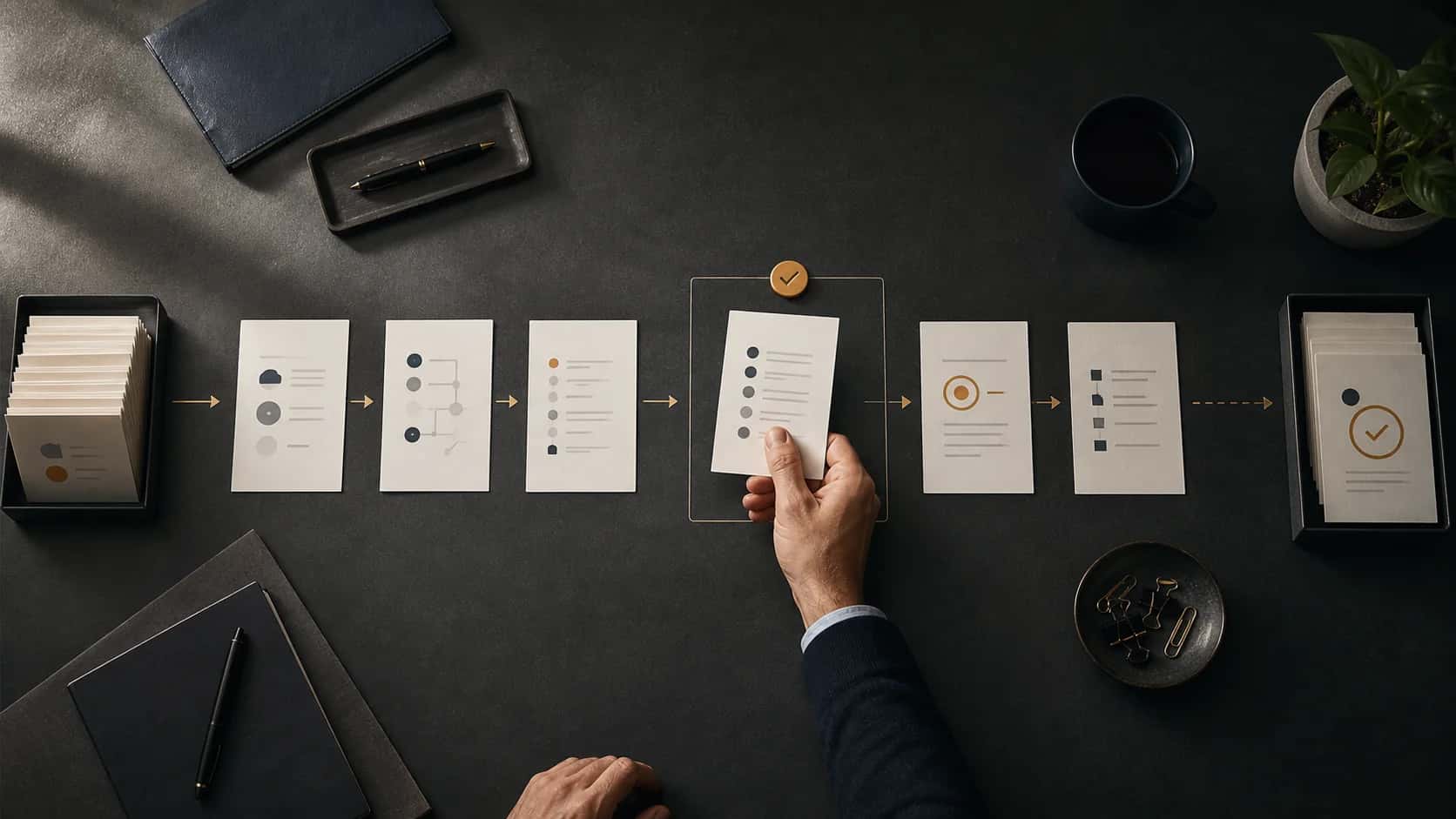
Choose a first automation by scoring the work, data, risk, ownership, and reversibility. Then validate one pilot before you expand it.